Building a Two-Storey House in Yellowknife: Wall Thickness, Foundation Types, and Finding the Right Contractor
Building a two-storey house is an exciting milestone. It offers more living space, better views, and the opportunity to design a home that truly fits your family's needs. However, constructing a two-storey home comes with unique engineering and design considerations that single-storey builds don't require. From the thickness of load-bearing walls to the type of foundation that can handle northern soil conditions, every decision matters.

For homeowners in Yellowknife, finding an experienced local builder is essential, and one trusted option is Commercial-NDS, a construction company whose company website showcases nearly forty years of expertise serving the region with turnkey residential and commercial projects. Nowhere is the need for careful planning more true than in Yellowknife, where permafrost, extreme temperature swings, and remote logistics add layers of complexity to any construction project. Before breaking ground, it is essential to understand the structural requirements, room planning limitations, and where to find experienced local contractors who know how to build for the North.
Wall Thickness: Why It Matters for a Two-Storey Home
The walls of a two-storey house do more than enclose space. They carry the weight of the upper floor, the roof, and everything inside. This load must transfer safely down to the foundation. In a single-storey home, exterior walls primarily resist wind and weather. In a two-storey home, they are structural pillars.
Load-Bearing vs. Non-Load-Bearing Walls
The most important distinction is between load-bearing and non-load-bearing walls. Load-bearing walls support the weight of the structure above them. These typically include exterior walls and some interior walls that run perpendicular to floor joists. Non-load-bearing walls, often called partition walls, divide rooms but carry no significant structural weight.
For a two-storey house, load-bearing walls generally require greater thickness and stronger materials. Wood-frame construction, common in residential builds, typically uses 2x6 lumber for exterior load-bearing walls. This provides space for insulation while maintaining structural integrity. Interior load-bearing walls may use 2x4 lumber, but engineers may specify 2x6 depending on the load and span.
Insulation and Cold Climate Requirements
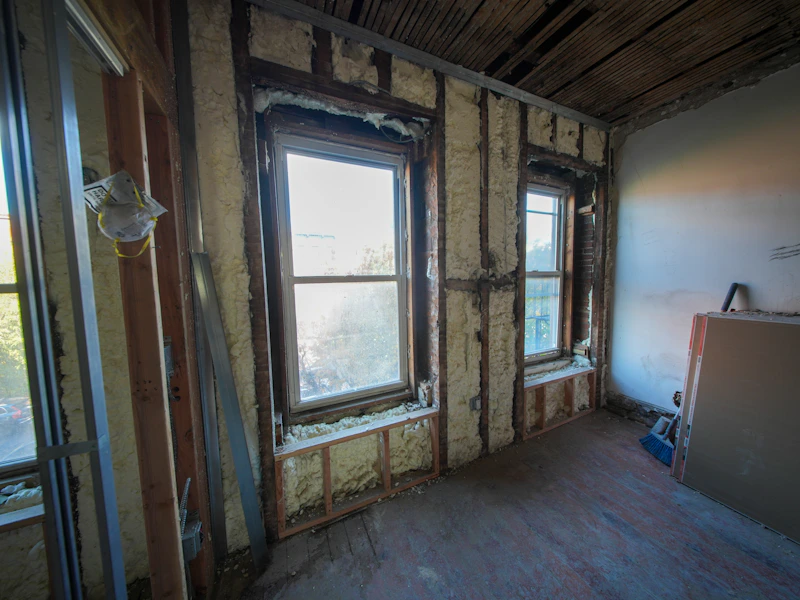
In Yellowknife, wall thickness is not just about strength. It is about survival. The region experiences some of the coldest winter temperatures in North America. Building codes require high insulation values to prevent heat loss, ice damming, and moisture problems.
A typical exterior wall in southern Canada might use 2x6 framing with R-20 to R-24 insulation. In Yellowknife, many builders recommend double-wall construction or thicker exterior walls to achieve R-30 or higher. Some homes use staggered stud walls, where inner and outer studs are offset to reduce thermal bridging. Others add rigid foam insulation sheathing outside the structural framing.
The practical result is that exterior walls in Yellowknife are often thicker than standard. Where a southern home might have 6-inch exterior walls, a Yellowknife home may have 8 to 12 inches of wall assembly, including framing, insulation, and cladding. This thickness affects everything from window and door placement to the overall footprint of the house.
Interior Wall Thickness
Interior non-load-bearing walls are typically 2x4 framing, giving a finished thickness of about 4.5 inches including drywall. Interior load-bearing walls match the exterior wall thickness or are designed by an engineer based on the specific load. Stairwell walls, for example, often carry load and may require additional bracing or thickness.
Foundation Types for Two-Storey Homes in Yellowknife
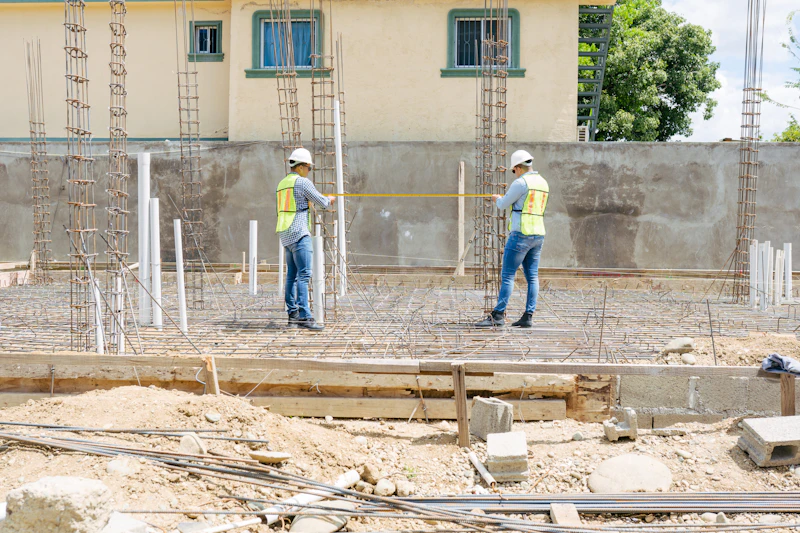
The foundation of a two-storey house must support significantly more weight than a single-storey home. It also must resist frost heave, which is the upward movement of soil as it freezes. In Yellowknife, where the ground freezes deep and remains frozen for months, foundation design is critical.
Conventional Poured Concrete Foundation
The most common foundation for two-storey homes in southern Canada is a poured concrete wall on a concrete footing, set below the frost line. The footing distributes the building's weight, and the wall transfers that weight to the footing.
In Yellowknife, the frost line extends several feet below grade. This means digging deep trenches for footings, which increases excavation costs. However, this method is well understood, and many local contractors have experience with it. The walls are typically 8 to 10 inches thick for a two-storey home, with steel reinforcement bars (rebar) added for strength.
Pile Foundations
In areas with permafrost or unstable soils, pile foundations are common. Steel or concrete piles are driven deep into the ground, often 15 to 40 feet, until they reach stable soil or bedrock. The building sits on top of these piles, with an air space between the ground and the first floor to prevent heat from melting the permafrost.
Pile foundations are more expensive than conventional concrete, but they are often necessary in Yellowknife's challenging soil conditions. They also allow construction on sloping or uneven sites where trenching would be impractical.
Screw Piles
Screw piles are a modern alternative to driven piles. They are steel shafts with helical plates that screw into the ground like a giant screw. Installation is faster and less disruptive than driving piles. Screw piles work well in Yellowknife's frozen ground and can be installed year-round, which is a significant advantage given the short construction season.
For two-storey homes, engineers will specify the number, depth, and size of screw piles based on the building's weight and soil conditions.
Insulated Concrete Forms (ICF)
ICF foundations use hollow foam blocks that are stacked, reinforced with steel, and then filled with concrete. The foam stays in place, providing continuous insulation. ICF foundations are energy efficient and strong, making them suitable for two-storey homes in cold climates. However, they are less common in Yellowknife and may require specialized installers.
Limitations on Room Plans for Two-Storey Houses
Building two storeys opens up design possibilities, but it also introduces constraints. Understanding these limitations early prevents expensive redesigns later.
Staircase Placement
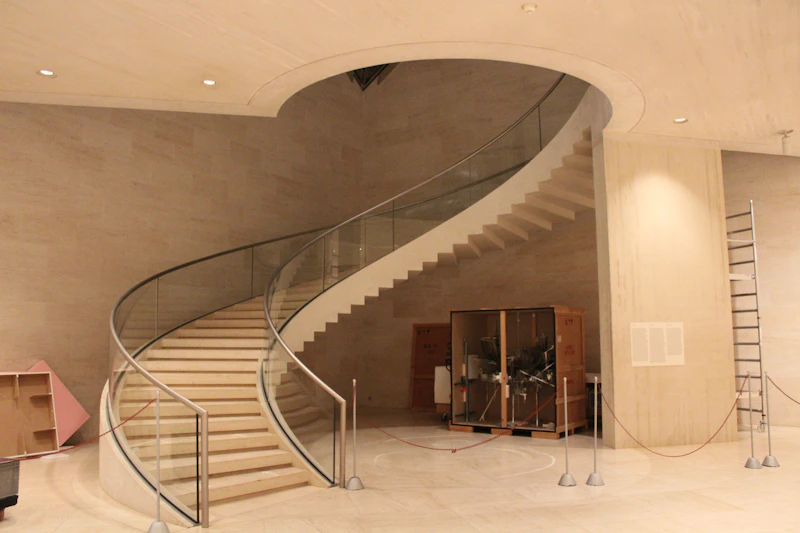
The staircase is the vertical connector between floors. Its location affects the flow of both levels. Stairs require a significant amount of floor space, typically a 3-foot by 10-foot footprint plus landings. They also require headroom clearance, usually 6 feet 8 inches minimum, which affects ceiling heights and beam placement.
Staircases should be located where they do not interrupt major sight lines or create awkward traffic patterns. Placing stairs near the front entry or in a central hallway is common. Avoid placing stairs where they would require cutting through major structural beams without engineering approval.
Load Transfer and Wall Alignment
In a two-storey house, the walls upstairs must sit above walls downstairs, or above beams that transfer the load to lower walls. This is called load alignment. An upstairs bedroom wall cannot simply float over an open living room below unless an engineered beam carries the load.
This constraint affects room layouts. Open-concept main floors are popular, but they require careful engineering to support the second floor. Beams may need to be larger, which affects ceiling heights. Alternatively, a central load-bearing wall or column can support the second floor while maintaining an open feel on the main level.
Plumbing and Mechanical Chases
Plumbing stacks for bathrooms on the second floor must run down through the first floor to the basement or crawl space. This requires vertical chases, which are enclosed spaces within walls. Coordinating these chases with room layouts is easier during design than during construction. Placing second-floor bathrooms directly above first-floor bathrooms or kitchens simplifies plumbing and reduces costs.
HVAC ducts also need space to run from the basement or mechanical room to the second floor. Floor trusses or engineered joists can accommodate ducts, but this adds depth to the floor assembly and may reduce ceiling heights.
Window and Door Placement
Second-floor windows are often placed directly above first-floor windows for architectural consistency. This is not a structural requirement, but it creates a cohesive exterior appearance. However, it does affect interior room layouts. A bedroom window must align with the room's function, not just with the window below.
Ceiling Heights
Two-storey homes often have higher ceilings on the main floor, typically 9 or 10 feet, while second-floor ceilings are 8 or 9 feet. This difference affects wall heights, stair riser counts, and the overall exterior proportion. Local building codes may limit maximum building height, especially in residential zones.
Finding a Contractor in Yellowknife
Building a two-storey house in Yellowknife requires a contractor who understands northern construction. Not every builder has experience with deep frost lines, permafrost foundations, or the logistics of bringing materials to a remote city. Finding the right partner is as important as choosing the right materials.
What to Look For
Look for contractors with documented experience in Yellowknife or similar northern climates. Ask about their approach to foundations, insulation, and winter construction. Request references from previous two-storey projects. Confirm that they are licensed and insured, and that they follow all territorial and national building codes.
A good contractor will also help navigate the building certification process. Before any construction begins, your plans must be reviewed and approved. Understanding the step-by-step guide to the building certification process can help you prepare for inspections, permits, and final approvals.
The Value of Architectural Guidance
Before approaching contractors, consider working with an architect or design firm that understands residential construction. Good design resolves structural constraints while creating beautiful, functional spaces. As explored in the feature on HMA Architecture: Designing Spaces That Connect, Inspire, and Endure, thoughtful architectural guidance turns limitations into opportunities. An architect can help you visualize room layouts, choose materials, and prepare drawings that contractors can bid on accurately.
Final Thoughts
Building a two-storey house in Yellowknife is challenging but rewarding. The key is understanding the structural requirements—thicker walls for insulation and load-bearing, foundations designed for frozen ground, and room plans that respect load transfer and mechanical systems. With careful planning and the right local contractor, your two-storey home can provide decades of comfort and value in one of Canada's most unique environments.
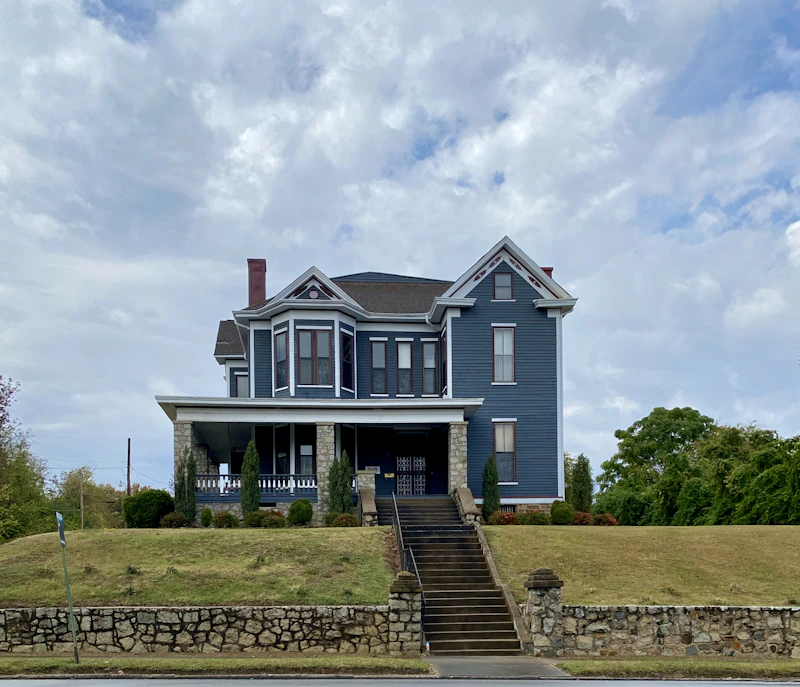
Start by defining your needs, consulting with design professionals, and interviewing contractors who have proven experience in the North. The extra effort upfront will pay off in a home that stands strong against Yellowknife's winters and welcomes your family for years to come.

House Hunting, Land Buying & Property Marketing
Smarter with Hao Finder™
Whether you're looking for your next home, investing in land, or marketing real estate listings — Hao Finder™ gives you verified properties, expert insights, and digital tools that simplify your journey.
Call us
+254 715 560 734
+254 118 582674
+973.253.3800
Email us
info@haofinder.com
business@haofinder.com
Location
Delta Corner Towers, Westlands, Nairobi |
471 Mundet Place, Ste. US159850 |
Hillside, New Jersey 07205,
United States