Buying a House With a Septic System? Here's What You Need to Know
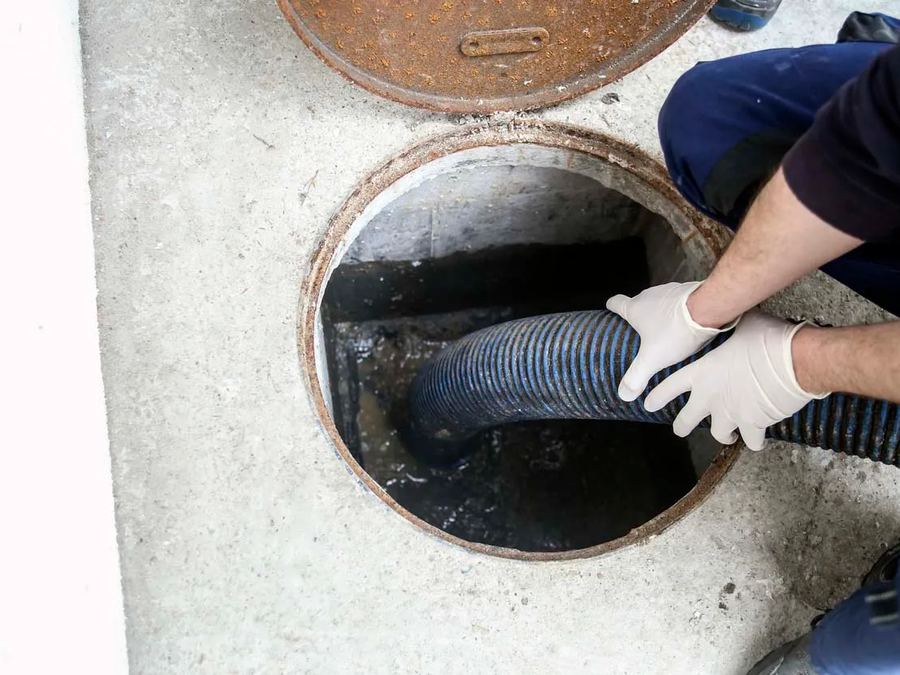
If you're house hunting in a rural or suburban area, there's a good chance you'll fall in love with a property that has a septic system instead of city sewer. Maybe it's the perfect lot, the quiet street, or the extra space you've been dreaming about. Then you see those two words in the listing—"septic system"—and suddenly the dream gets a little complicated.
Here's the good news: a septic system isn't a dealbreaker. It's just a different kind of responsibility, and once you understand how it works, you can make a confident, informed decision. This guide walks you through what to know, why an inspection matters, and the questions that could save you thousands in surprises down the road.
First, a Quick Primer on Septic Systems
A septic system is an underground wastewater treatment system that's common in areas without municipal sewer lines. Wastewater flows from the house into a tank, where solids settle and liquids move out into a drain field, where they're naturally filtered through the soil.
That's the simple version. The real version includes pumps, baffles, distribution boxes, and a drain field that depends heavily on soil conditions—all of which need to be in good shape for the system to work as intended.
Unlike a municipal sewer connection, where problems are usually the utility's responsibility, everything on a septic property belongs to the homeowner. That means maintenance, repairs, and eventual replacement are on you. When you're buying a home, that transfer of responsibility needs to happen with your eyes wide open.
Why a Septic Inspection Matters Before Closing
Many buyers ask, "Isn't a septic inspection optional?" Technically, in many places, yes—but skipping it is a gamble you don't want to take. A routine home inspection typically checks visible components, but it doesn't dig into your future septic system.
A proper septic inspection before buying a house is a dedicated evaluation of the whole system—tank, drain field, and components. It tells you whether the system is functioning, how well it's been maintained, and whether it's ready to serve your household.
Why does this matter so much? Because septic repairs and replacements aren't small projects. A failing drain field can mean a major excavation. A cracked tank needs replacement. These are not the kinds of issues you want to discover three months after you move in, when the paperwork is signed and the seller has moved on.
An inspection before closing gives you leverage. If problems turn up, you can negotiate repairs, ask for a credit, or walk away. After closing, the leverage is gone—and the cost is all yours.
| Timing | What You Can Do | Consequence of Skipping |
|---|---|---|
| Before closing | Negotiate repairs, request credit, or walk away | Full cost and liability transferred to you |
| After closing | Pay for all repairs yourself | No leverage with the seller |
What the Inspector Checks
A professional septic evaluation goes far beyond a quick look at the yard. Here's what a thorough inspection generally covers:
- Locating the system. The inspector finds the tank and drain field, often using county records or probing if the exact location isn't documented.
- Pumping and inspecting the tank. A proper evaluation usually includes pumping the tank so the inspector can examine its condition, check the baffles, and look for cracks or leaks.
- Checking the drain field. The inspector assesses the drain field area for signs of failure, such as surfacing wastewater, soggy ground, or odors.
- Evaluating components. Pumps, floats, alarms, and distribution boxes all get checked to see if they're working correctly.
- Reviewing maintenance records. If available, service history reveals how the system has been treated over the years—and whether pumping has been kept up.
- Documenting everything. A good inspection results in a written report with photos, which you can keep for your records and use for future maintenance planning.
In areas like Pierce and Thurston County, Washington, the process can involve more than just the inspection itself. Counties often have their own transfer requirements—Pierce County's Report of System Status and Thurston County's Time of Transfer process both involve county review alongside the contractor's work. Knowing your local requirements matters, because the county's timeline runs separately from the service appointment. You can learn more about how these inspection and pumping services are handled during a property sale at septic inspection before buying a house.
| Inspection Component | What It Reveals | Red Flag |
|---|---|---|
| Tank condition | Cracks, leaks, baffle integrity | Cracked tank needing replacement |
| Drain field | Signs of failure or saturation | Surfacing wastewater, odors |
| Components | Pump, float, alarm function | Faulty pump or alarm |
| Maintenance records | History of pumping and service | No records or long gaps |
Questions to Ask the Seller
The current owner is your best source of information about the system—if you know what to ask. Here are the questions worth raising before you commit:
- How old is the system? Septic systems have a lifespan, and drain fields especially don't last forever. Age helps set expectations.
- When was the tank last pumped? Regular pumping (typically every three to five years, depending on household size) is the single best indicator of care. A vague answer or a long gap is a red flag.
- Do you have maintenance records? Receipts, inspection reports, and service records tell a story. Ask for copies.
- Have there ever been problems? Odors, backups, soggy areas over the drain field—any history of issues is worth knowing about.
- Where is the tank and drain field located? You'd be surprised how many sellers don't know. If there's a system drawing, ask for it.
- What's connected to the system? Be aware that some homes have tanks that belong to a municipal system, not a private septic. In places like Lacey, for example, city STEP tanks are part of the sewer system and aren't maintained the same way as private on-site septic. If you're in Olympia or Yelm, it's worth confirming the utility connection and who maintains the equipment.
- Have any additives or special products been used? Some additives are harmless; others may signal the seller was trying to mask a problem.
Ask these questions in writing if you can, ideally through your real estate agent, so you have a record of the answers.
Don't Skip the Paperwork
One more thing worth knowing: the inspection and the county review are two separate pieces of the puzzle. Your contractor handles the pumping, inspection, and documentation; the county handles its own review and issues the official report. If a closing timeline is tight, it's smart to start the service appointment early so the county review doesn't become a last-minute bottleneck.
Also, ask for the completed documentation to be shared with you after closing. A record of the service work, along with any system drawings, becomes a useful baseline for future maintenance—and future owners will thank you for keeping it.
The Bottom Line
Buying a home with a septic system is completely manageable when you go in informed. Get the inspection, ask the right questions, review the records, and understand your local requirements. A little diligence before closing can save you from a very expensive surprise later—and let you enjoy your new home with confidence, one flush at a time.
Have a property sale coming up in Pierce or Thurston County? A professional inspection and pumping service can help keep your transaction on track and give you a clear record for the future.

House Hunting, Land Buying & Property Marketing
Smarter with Hao Finder™
Whether you're looking for your next home, investing in land, or marketing real estate listings — Hao Finder™ gives you verified properties, expert insights, and digital tools that simplify your journey.
What can PropGPTNewhelp with?
Call us
+254 715 560 734
+254 118 582674
+973.253.3800
Email us
info@haofinder.com
business@haofinder.com
Location
Delta Corner Towers, Westlands, Nairobi |
471 Mundet Place, Ste. US159850 |
Hillside, New Jersey 07205,
United States