Planning a Kitchen Renovation? What to Know Before Buying Cabinets from China
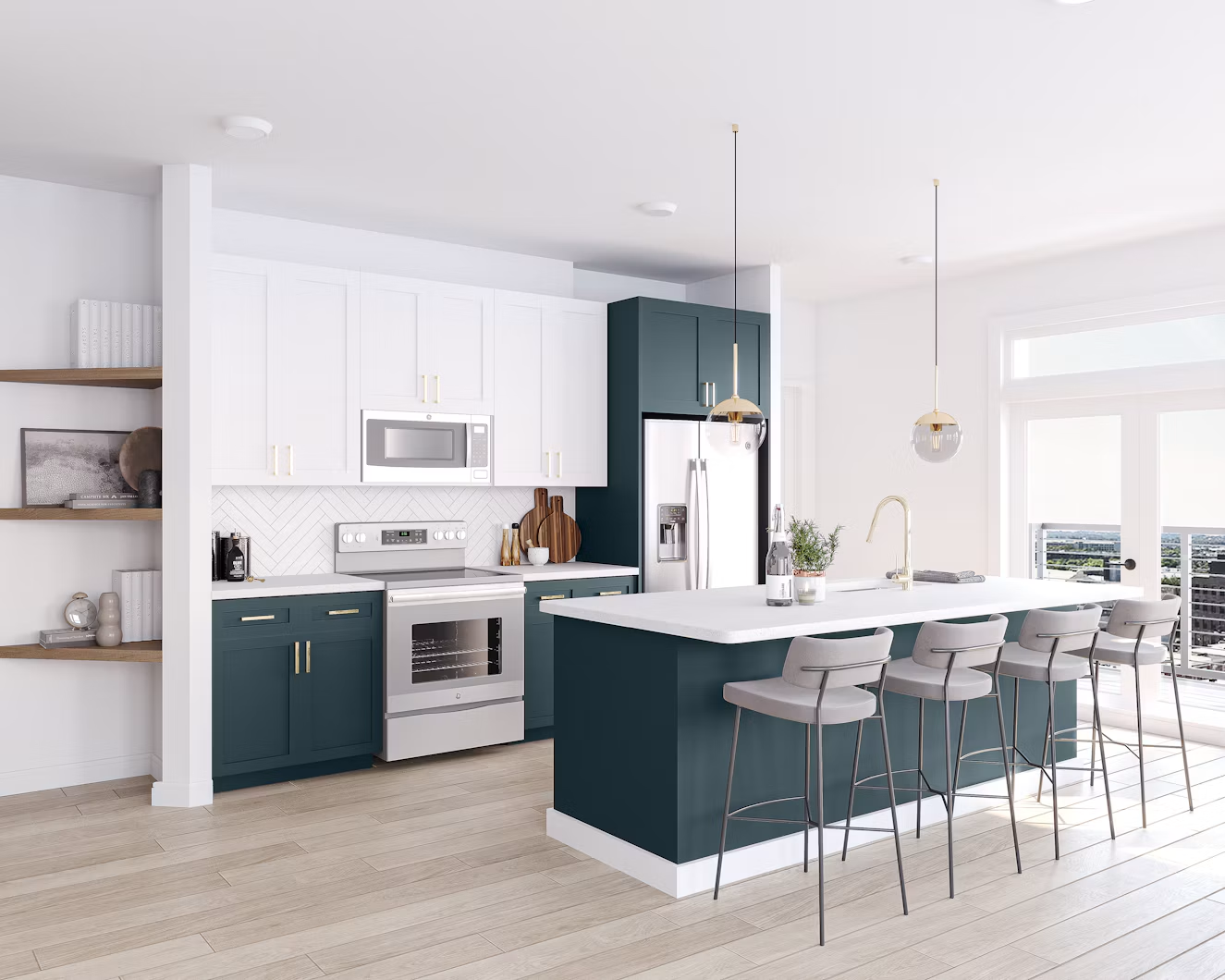
Source: unsplash
For contractors, builders, and overseas kitchen dealers, sourcing kitchens from China can provide access to broad product ranges, flexible specifications, and competitive manufacturing capacity. However, successful procurement depends on more than comparing unit prices. Cabinet quality, factory capability, documentation, packaging, lead times, and communication all affect the final result.
Whether you are managing a residential development, supplying a dealer network, or delivering a custom renovation, the right preparation can reduce risk and improve project margins. This guide explains what to evaluate before purchasing kitchen cabinets from China and how to build a dependable supplier relationship.
Define the Project Requirements Before Contacting Suppliers
Before requesting quotations, prepare a clear project brief. Chinese manufacturers can often support a wide range of layouts and finishes, but they need accurate information to price and engineer the order correctly.
Your brief should include the number of kitchens, room dimensions, cabinet elevations, appliance specifications, preferred materials, door styles, hardware requirements, countertop expectations, and target delivery date. If drawings are not final, identify which details are confirmed and which may change.
For larger developments, also explain the project standards that apply in the destination market. These may include moisture resistance, fire performance, formaldehyde emissions, accessibility requirements, and installation tolerances. A detailed brief helps suppliers provide comparable quotations rather than broad estimates that later require costly revisions.
Evaluate the Kitchen Cabinet Manufacturer in China
Supplier selection should begin with manufacturing capability, not price alone. When reviewing a kitchen cabinet manufacturer in China, assess whether the company is equipped to produce your type and volume of work consistently.
Key Supplier Checks
- Relevant experience: Ask whether the factory regularly exports to your country or region and has completed projects similar to yours.
- Production capacity: Confirm available machinery, shift capacity, monthly output, and the ability to manage peak-season demand.
- Quality systems: Review inspection procedures for incoming materials, machining, assembly, finishing, and final packing.
- Product development: Determine whether the supplier can create shop drawings, samples, prototypes, and engineered solutions for unusual layouts.
- Export experience: Check familiarity with container loading, export documentation, labeling, and destination-market requirements.
- Communication: Establish who will manage technical questions, revisions, production updates, and after-sales issues.
A factory audit, whether conducted in person or by an independent inspection company, can verify the supplier's actual facilities. Review the production floor, material storage, finishing areas, quality-control stations, and packing operations. Ask to see current work in progress rather than relying only on showroom displays.
Compare Materials Used in Kitchen Cabinets from China
Material selection affects durability, appearance, cost, and compliance. Kitchen cabinets from China may be manufactured from melamine-faced board, plywood, medium-density fiberboard, particleboard, solid wood, or combinations of these materials.
Ask for complete material specifications, including board thickness, core composition, surface finish, edge-banding method, adhesive type, and moisture-resistant properties. A product described simply as "plywood" may differ substantially in veneer quality, core construction, and bonding performance.
For humid kitchens or projects exposed to heavy use, confirm how cabinet components are protected against moisture. Pay particular attention to sink units, plinths, end panels, and areas near dishwashers. Request physical samples so that the board core, edge treatment, color, texture, and finish can be evaluated before approval.
Environmental documentation may also be important for your market. Depending on the project, request relevant emissions reports, material declarations, chain-of-custody documentation, or other compliance records. Documentation should correspond to the actual products supplied, not merely to a similar product in the manufacturer's range.
| Material | Typical Use | What to Verify |
|---|---|---|
| Melamine-faced board | Carcass, doors, panels | Board thickness, finish quality, edge banding |
| Plywood | Carcass, structural components | Veneer quality, core construction, bonding |
| MDF | Doors, painted finishes | Moisture resistance, density, paint adhesion |
| Particleboard | Economy carcass options | Swelling resistance, screw holding strength |
| Solid wood | Door frames, accents, premium ranges | Species, moisture content, stability |
Specify Hardware and Construction Details
Hardware has a direct effect on user experience and long-term maintenance. When reviewing China kitchen cabinets, specify hinges, drawer runners, lift systems, handles, connectors, adjustment ranges, and load ratings in writing.
Clarify whether the quoted price includes soft-close mechanisms, full-extension runners, internal drawers, pull-out storage, waste systems, lighting channels, and other accessories. Different hardware brands can produce significant price variations, so an apparently comparable quotation may not include the same specifications.
Also review cabinet construction. Confirm carcass dimensions, back-panel thickness, shelf support, adjustable feet, toe-kick systems, joining methods, and the treatment of exposed edges. For flat-pack or knock-down cabinets, ask how components are labeled and how installers will identify each unit on site.
Request Samples and Technical Drawings
Never approve a major order based only on photographs or digital renderings. Request door, carcass, countertop, hardware, and color samples. If the project includes custom kitchen cabinets, require a prototype or sample assembly for complex units before mass production.
Technical drawings should show plan views, elevations, dimensions, fillers, scribes, appliance gaps, service voids, door swings, and installation clearances. Review drawings with the contractor or installer who will work on site. Small dimensional errors can cause serious problems when cabinets meet walls, windows, plumbing, or appliances.
Use a formal approval process. Mark each drawing and sample as approved, approved with comments, or rejected. The purchase agreement should state that production cannot begin until the agreed drawings and finishes are signed off.
Understand Pricing, Incoterms, and Total Landed Cost
The factory quotation is only one part of the procurement calculation. Compare the complete landed cost, including product pricing, sample fees, tooling, packaging, inland transportation, export charges, ocean freight, insurance, customs duties, taxes, destination handling, storage, and local delivery.
Confirm the applicable Incoterm, such as EXW, FOB, CIF, or DDP, and understand which party carries responsibility at each stage. For overseas dealers, a lower factory price may not be economical if packaging is weak, freight efficiency is poor, or destination charges are unclear.
Ask suppliers to separate pricing for cabinets, hardware, accessories, replacement parts, and optional upgrades. This makes it easier to compare proposals and control specification changes. Also confirm the validity period of the quotation, currency, payment schedule, and policy for handling approved variations.
| Cost Component | What It Covers | Common Oversight |
|---|---|---|
| Product price | Cabinets and specified components | Comparing only unit prices |
| Packaging | Export cartons, protection, labeling | Weak packaging causing transit damage |
| Freight and insurance | Ocean freight, cargo insurance | Assuming freight is included |
| Duties and taxes | Customs clearance, import taxes | Underestimating landed cost |
| Destination handling | Port charges, storage, local delivery | Unclear Incoterm responsibilities |
Control Quality Before Shipment
Quality control should take place throughout the order, not only after the container arrives. Agree on inspection checkpoints before production begins. Typical controls include material verification, color matching, dimensional checks, hardware testing, assembly inspection, surface inspection, and carton labeling.
For larger orders, consider a pre-production inspection, an in-line inspection, and a final random inspection before shipment. The inspection criteria should reference approved samples and drawings. Define acceptable tolerances and establish how defects will be classified as critical, major, or minor.
Photographic and video reports can improve visibility, but they should supplement—not replace—physical inspections when the order value or project risk is significant. Keep a record of inspection results, corrective actions, replacement components, and final approval.
Plan Packaging, Shipping, and Installation
Cabinet damage often occurs during handling and transportation rather than manufacturing. Ask how doors, panels, stone components, glass, and hardware will be protected. Export cartons should be suitable for the shipping route and clearly marked with project, room, unit, and component information.
Request a packing list that matches the cabinet schedule. For multi-unit developments, organize cartons by building, floor, apartment, or room where possible. This reduces time spent sorting materials at the destination and lowers the risk of installation errors.
Before shipment, confirm container loading plans, moisture protection, spare-part quantities, and the process for reporting transit damage. Provide installers with assembly instructions, hardware schedules, installation drawings, and contact information for technical support.
Protect the Relationship with Clear Contract Terms
A well-defined purchase agreement should cover product specifications, approved samples, drawings, tolerances, pricing, payment milestones, delivery dates, packaging, inspection rights, warranty terms, replacement procedures, intellectual property, and dispute resolution.
For custom kitchen cabinets, clarify ownership and permitted use of drawings, 3D files, branded components, and proprietary designs. Confirm how design changes are approved and priced. It is also useful to define a spare-parts policy for hinges, drawer runners, panels, and other components that may need replacement after installation.
Maintain one controlled version of the order documentation. Untracked changes in email, messaging applications, or spreadsheets can create confusion between sales, engineering, production, and installation teams.
Build a Long-Term Sourcing Strategy
The strongest results from sourcing kitchens from China come from treating the supplier as a production partner rather than a one-time vendor. Begin with a pilot order or limited project when practical. Measure quality, communication, packaging performance, delivery reliability, and installation feedback before expanding the relationship.
After each project, record recurring defects, dimensional issues, delayed components, customer comments, and successful improvements. This information can support better specifications and more accurate forecasting on future orders. A supplier who responds constructively to documented feedback is often more valuable than one offering the lowest initial price.
Final Checklist Before Buying
- Confirm project drawings, dimensions, finishes, and appliance specifications.
- Verify factory capability, export experience, and quality-control procedures.
- Approve physical samples and technical drawings before production.
- Compare total landed cost rather than factory price alone.
- Define inspection standards, packaging requirements, and replacement procedures.
- Confirm Incoterms, payment milestones, lead times, and warranty coverage.
- Prepare installation documentation and a complete packing schedule.
Buying China kitchen cabinets can be a practical and scalable option for overseas contractors, builders, and dealers when procurement is managed with technical discipline. Clear specifications, supplier verification, staged quality control, and strong documentation will help protect project timelines, installation quality, and customer satisfaction.
Designing a cohesive interior for your clients? Explore OPPOLIA kitchen collections. Discover options to coordinate materials, finishes, and styles across rooms, then connect with the team to discuss your project's specifications and design requirements.

House Hunting, Land Buying & Property Marketing
Smarter with Hao Finder™
Whether you're looking for your next home, investing in land, or marketing real estate listings — Hao Finder™ gives you verified properties, expert insights, and digital tools that simplify your journey.
What can PropGPTNewhelp with?
Call us
+254 715 560 734
+254 118 582674
+973.253.3800
Email us
info@haofinder.com
business@haofinder.com
Location
Delta Corner Towers, Westlands, Nairobi |
471 Mundet Place, Ste. US159850 |
Hillside, New Jersey 07205,
United States